Understanding PSD2 and Its Impact on Digital Commerce
The European payments landscape has undergone significant transformation over the past few years, and one regulation continues to shape how digital businesses process payments across Europe: PSD2.
Whether you operate a SaaS platform, digital subscription service, software company, online marketplace, or ecommerce business, understanding PSD2 is essential for maintaining compliance, reducing payment friction, and maximizing customer conversions.
In this guide, we’ll explain what PSD2 is, how it affects online businesses, and what companies need to do to stay compliant while optimizing the customer payment experience.
What Is PSD2?
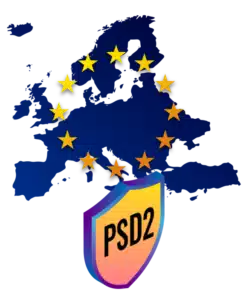
PSD2, or the Second Payment Services Directive, is a European Union regulation designed to modernize payment services, increase competition, enhance consumer protection, and improve payment security across the European Economic Area (EEA).
Stronger authentication requirements for online transactions
Greater transparency in payment processing
Increased consumer protection
Open banking initiatives that allow third-party providers to access banking data with customer consent
Enhanced security standards for digital payments
The regulation applies to businesses accepting payments from customers within the EEA, regardless of where the merchant is located.
For businesses selling internationally, PSD2 is just one aspect of broader cross-border commerce requirements. Companies must also consider localization, taxation, and regional payment preferences when expanding globally.
What Is Strong Customer Authentication (SCA)?
One of the most significant aspects of PSD2 is Strong Customer Authentication (SCA).
The European Banking Authority provides detailed guidance on SCA requirements. SCA requires customers to verify their identity using at least two of the following authentication factors:
Something They Know
Password
PIN code
Something They Have
Mobile phone
Security token
Banking application
Something They Are
Fingerprint
Facial recognition
Voice recognition
The goal is to reduce online payment fraud and increase consumer trust in digital transactions.
For many online businesses, SCA is most commonly implemented through 3D Secure 2 (3DS2), which allows additional authentication when necessary while minimizing disruption to the checkout experience.
By centralizing these responsibilities, businesses can focus on growth while reducing the operational burden associated with European payment regulations.
This is particularly valuable for SaaS companies, software vendors, gaming publishers, and subscription businesses selling across multiple markets.
PSD2 Best Practices for Digital Businesses
To maintain compliance while protecting conversion rates, businesses should:
• Adopt Modern Payment Authentication
Implement payment solutions that support 3D Secure 2 and intelligent authentication routing.
• Monitor Payment Performance
Track authorization rates, failed transactions, and checkout abandonment to identify PSD2-related friction.
• Optimize Subscription Workflows
Ensure recurring billing processes are designed to leverage available SCA exemptions where appropriate.
• Work With Experienced Payment Partners
Choose providers that actively manage regulatory updates and evolving compliance requirements across Europe.
• Prioritize Customer Experience
Security should not come at the expense of usability. The most effective payment strategies balance compliance, fraud prevention, and conversion optimization.
The Future of PSD2 and European Payments
PSD2 marked a major step forward in the modernization of European payments, but regulation continues to evolve.
The European Commission is already working on PSD3 and the Payment Services Regulation (PSR), which aim to further enhance payment security, open banking capabilities, and consumer protection.
Digital businesses should expect continued regulatory developments and ensure their payment infrastructure remains flexible enough to adapt.
Organizations that proactively address compliance requirements will be better positioned to scale across Europe while maintaining strong customer experiences.
Ready to Simplify PSD2 and Scale Across Europe?
Managing payment compliance, Strong Customer Authentication, and cross-border complexity doesn’t have to slow your growth. Discover how a unified payment infrastructure can help you scale across Europe with confidence.
Yes. PSD2 applies to all SaaS businesses accepting online payments from customers in the European Economic Area (EEA), even if the company is based outside Europe. It regulates how payments are authenticated and secured.
When is Strong Customer Authentication (SCA) required under PSD2?
SCA is required for most customer-initiated online payments in the EEA, especially the first transaction, high-risk payments, or when the bank requests additional verification to reduce fraud risk.
Is SCA required for SaaS subscription payments?
Yes for the initial payment. After that, recurring subscription charges can often be exempt if they are correctly processed as merchant-initiated transactions and properly set up in the payment flow.
Why do SaaS payments fail under PSD2 and how can it be avoided?
Failures usually come from incorrect handling of SCA or poorly configured recurring payment flows. SaaS businesses can reduce failures by using 3D Secure 2, correctly flagging subscriptions, and optimizing authentication flows to maintain compliance and conversion.
About Nexway
Think MoR. Sell more.
Transform and scale your online business with Nexway, your global Merchant of Record. With over 20 years of expertise, Nexway optimises every aspect of digital monetisation for medium to large enterprises. From global payment acceptance to subscription management and tax compliance, our 360-degree approach ensures streamlined operations and global market expansion.