PSD2 Explained: What European Digital Businesses Need to Know


If you’re selling software, SaaS, or digital goods, scaling your business often comes with complex challenges especially when it comes to managing payments, compliance, and tax regulations across multiple regions. That’s where Merchant of Record (MoR) platforms come in. Both Nexway and FastSpring offer MoR services, but which one is better suited to help you scale globally? In this blog, we’ll break down the differences between the two platforms and explain why Nexway is the perfect choice for medium to large businesses looking for flexible, tailored solutions.
 Nexway’s strength: Nexway is designed with scalability in mind, offering flexible integration options that allow you to grow without limitations. Whether you need custom integrations with your existing tools or you’re expanding into new markets, Nexway’s platform is built to adapt to your evolving needs. FastSpring, by comparison, provides a more rigid structure with less room for customization.
 Why it matters: As your business grows, your MoR platform needs to scale with you. Nexway’s flexibility ensures that your systems can expand without disruption, allowing you to meet new market demands and scale globally without being held back by your platform.
 Nexway’s strength: If your business operates in multiple regions or has unique compliance needs, you’ll appreciate Nexway’s ability to tailor solutions to fit your exact requirements. Unlike FastSpring, which offers more standardized services, Nexway works closely with medium to large businesses to customize everything from global tax strategies to integration with existing systems.
 Why it matters: For companies with complex sales structures and operations, cookie-cutter solutions simply won’t cut it. Nexway’s flexibility ensures that your sales process aligns perfectly with your business goals, giving you more control and peace of mind as you expand globally.
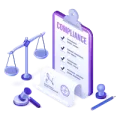 Nexway’s strength:While both Nexway and FastSpring handle global tax compliance, Nexway goes a step further with proactive risk management and deep expertise in international regulations. Nexway’s dedicated team continually monitors regulatory changes to keep your business compliant with the latest laws, saving you from costly fines or operational disruptions.
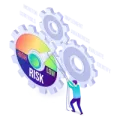 Why it matters: For medium to large businesses, especially those operating across multiple jurisdictions, staying on top of tax and compliance issues can be overwhelming. Nexway’s proactive approach means you can focus on growing your business while they handle the complexities of tax compliance and risk management.
 Nexway’s strength: One of the standout benefits of working with Nexway is their personalized support. When you partner with Nexway, you get access to a dedicated account manager who’s deeply invested in your success. FastSpring, on the other hand, offers a more standardized support model that may not provide the same level of hands-on guidance.
 Why it matters: When you’re navigating the intricacies of global eCommerce, having an expert who truly understands your business can make a huge difference. Nexway’s personalized support ensures that you always have a go-to expert for advice and solutions, making it easier to overcome challenges as you scale.



Some of the world’s top software and digital goods companies like Opera and Eset trust Nexway to handle their global sales. Nexway’s deep understanding of the software and digital goods industries, combined with their expertise in tax compliance and risk management, ensures that these brands can scale quickly and efficiently while staying compliant with complex international regulations.
If you’re looking for an MoR solution that offers more than just standard services, Nexway’s tailor-made approach could be exactly what your business needs to thrive in today’s competitive market.

By clicking the button above I agree to Nexway’s Terms & Conditions, Privacy Policy and consent to receive marketing communication.